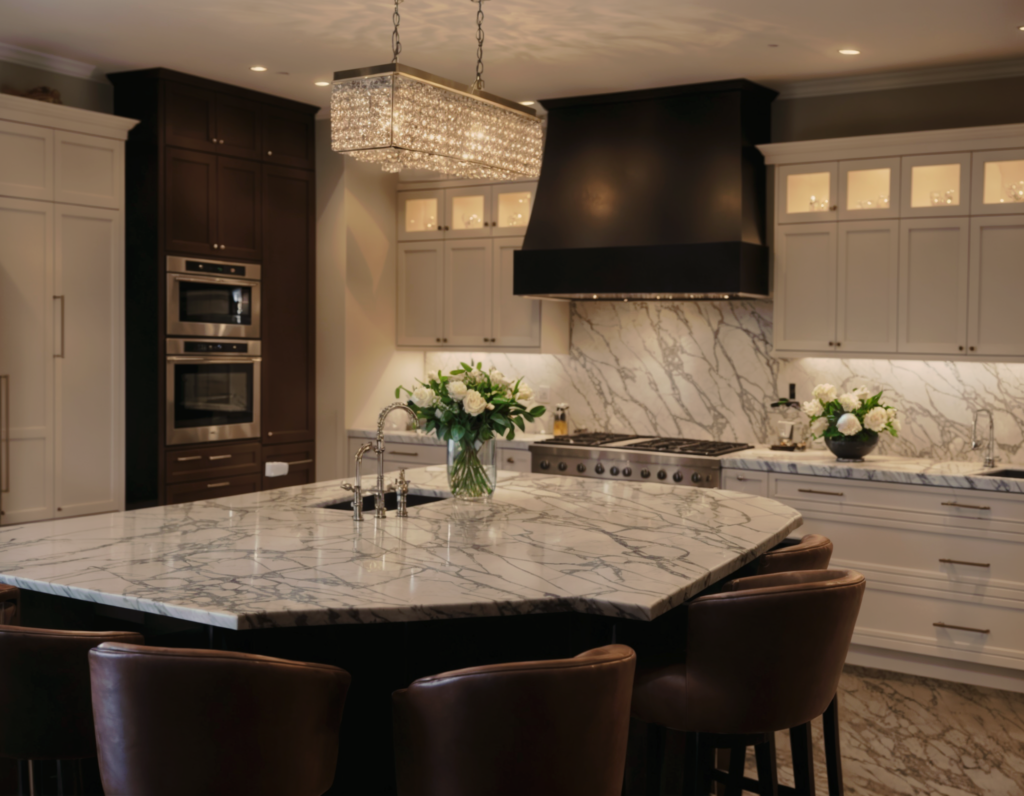
Modern cabinets offer significant benefits in small spaces by maximizing storage, reducing visual clutter, and making rooms feel more open and organized. Their streamlined forms, customizable interiors, and efficient configurations allow homeowners to use every available inch without overwhelming the room.
In a compact kitchen, bathroom, home office, or living area, cabinetry has an especially strong influence on how the space looks and functions. Poorly planned storage can make a room feel crowded, while thoughtfully designed modern cabinets can create a sense of calm, order, and visual continuity.
For homeowners who want a smaller space to feel refined rather than restricted, modern cabinetry provides an elegant combination of intelligent storage, architectural simplicity, and personalized design.
Modern Cabinets Maximize Available Space
One of the greatest benefits of modern cabinets in small spaces is their ability to use limited square footage more efficiently.
Modern cabinetry can be designed around the exact dimensions of a room, making use of corners, narrow walls, recessed areas, and spaces that standard cabinetry might leave unused. This is especially valuable in compact kitchens, where even a few additional inches of storage can make a noticeable difference.
Full-extension drawers allow homeowners to access the entire depth of a cabinet. Pull-out pantry systems can transform narrow openings into practical storage. Corner mechanisms, internal dividers, and concealed compartments help ensure that every cabinet serves a clear purpose.
Instead of adding more furniture or freestanding storage, well-planned modern cabinets incorporate organization directly into the architecture of the room.
This allows a small space to remain functional without feeling crowded.
They Reduce Visual Clutter
Visual clutter can make a compact room feel smaller than it actually is.
Modern cabinets help create a cleaner environment by concealing everyday items behind simple, consistent surfaces. Small appliances, cookware, pantry products, electronics, paperwork, and household supplies can all be stored out of sight.
Flat-panel doors, minimal hardware, and carefully aligned cabinet fronts reduce the number of visual interruptions in the room. Rather than seeing a collection of separate doors, handles, shelves, and storage containers, the eye reads the cabinetry as one unified composition.
This sense of order is particularly important in open-plan homes, where a small kitchen may be visible from the living or dining area.
By concealing functional items and maintaining consistent lines, modern cabinets help the entire interior feel calmer and more intentional.
They Can Make a Small Room Feel Larger
Modern cabinets can influence how spacious a room appears, even when its physical dimensions remain unchanged.
Streamlined cabinet fronts allow the eye to move smoothly across the space. Handleless doors, integrated pulls, and concealed appliances reduce visual breaks, making walls appear longer and more continuous.
Light-colored cabinetry can reflect natural and artificial light, creating a brighter and more open atmosphere. Soft whites, pale woods, warm neutrals, and satin finishes are often effective in compact interiors.
Dark cabinets can also work beautifully in small spaces when they are used thoughtfully. A continuous wall of matte black or deep wood cabinetry can create architectural depth, particularly when balanced with light countertops, reflective surfaces, and layered lighting.
The key is visual consistency. When cabinetry feels integrated rather than fragmented, the room often appears larger and more composed.
They Make Better Use of Vertical Space
In a small room, storage should extend upward rather than outward whenever possible.
Floor-to-ceiling modern cabinets take advantage of vertical space that might otherwise remain unused. Tall pantry units, overhead storage, and full-height cabinet walls can provide substantial capacity without consuming additional floor area.
Extending cabinetry to the ceiling also creates a cleaner appearance by eliminating dust-collecting gaps above upper cabinets.
Less frequently used items can be stored in the highest sections, while everyday necessities remain within easy reach. Interior pull-down systems and adjustable shelving can improve accessibility.
Visually, tall cabinetry can draw the eye upward and emphasize ceiling height, helping a compact room feel more expansive.
Modern Cabinets Provide Customized Storage
Small spaces benefit most from storage designed around the homeowner’s specific needs.
Generic cabinets may provide adequate volume but fail to organize that volume efficiently. Custom modern cabinetry can be planned according to the objects that need to be stored and the way the room is used each day.
Useful storage features may include:
- Deep drawers for cookware and small appliances
- Narrow pull-outs for spices, oils, and utensils
- Integrated recycling and waste systems
- Adjustable interior shelving
- Drawer dividers and internal organizers
- Concealed charging stations
- Pull-out work surfaces
- Hidden laundry or cleaning storage
- Built-in pantry systems
- Appliance garages
These details prevent storage from becoming disorganized and make frequently used items easier to access.
In a small space, the quality of the internal cabinet design is just as important as the appearance of the exterior.
They Integrate Appliances More Efficiently
Appliances can quickly dominate a compact kitchen when they are not incorporated into the cabinetry plan.
Modern cabinets make it possible to integrate refrigerators, dishwashers, ventilation systems, microwaves, and other appliances into a more unified composition.
Panel-ready appliances can be concealed behind cabinet fronts that match the rest of the room. Smaller appliances can be stored in appliance garages or dedicated pull-out compartments, keeping countertops clear.
Ovens and coffee systems can be positioned within tall cabinet walls to reduce visual fragmentation. Compact or multifunctional appliances can also be selected as part of the complete cabinetry design.
This level of integration allows the kitchen to retain its functionality without appearing overly utilitarian.
They Improve Movement and Circulation
Cabinet placement has a direct effect on how easily people can move through a small space.
Oversized doors, poorly positioned drawers, and bulky cabinet projections can interrupt circulation. Modern cabinetry can be designed with slimmer profiles, efficient opening mechanisms, and carefully considered clearances.
Sliding, pocket, lift-up, or retractable doors may be used in areas where traditional hinged doors would obstruct movement. Handleless cabinet fronts can also reduce protrusions in narrow walkways.
In a compact kitchen, a thoughtful layout can improve access to preparation, cooking, cleaning, and storage zones. The placement of drawers and appliances can be coordinated so multiple functions do not compete for the same limited area.
When cabinetry supports natural movement, the space feels more comfortable and easier to use.
They Support Multifunctional Design
Small homes often require one room to serve several purposes.
Modern cabinets can help a kitchen function as a dining area, workspace, entertaining zone, or household command center without making those additional functions permanently visible.
A cabinet may conceal a desk, bar, coffee station, or preparation surface. Retractable doors can open to reveal a complete work zone and then close to restore a clean appearance.
A kitchen island can combine storage, seating, food preparation, and appliance functions within one compact footprint. In adjacent living areas, coordinated cabinetry can incorporate media equipment, books, display objects, and hidden office storage.
This flexibility allows homeowners to gain more value from every part of the room.
Modern Cabinetry Can Enhance Natural Light
Light plays an important role in how large and inviting a small space feels.
Modern cabinets can be selected and positioned to support the room’s natural light rather than block it. Pale finishes, reflective surfaces, and glass elements can help distribute light throughout the interior.
In some layouts, replacing visually heavy upper cabinets with open shelving, glass-fronted cabinets, or a carefully balanced combination can create a lighter effect.
Integrated cabinet lighting can also brighten work surfaces and reduce dark corners. Under-cabinet lights, illuminated shelves, and interior lighting improve both visibility and atmosphere.
When lighting and cabinetry are designed together, the room can feel brighter, deeper, and more welcoming.
They Bring Luxury to Smaller Interiors
A smaller room does not need to feel less refined.
Modern cabinetry can introduce the same level of material quality, craftsmanship, and personalization found in larger luxury interiors. In fact, premium details can have an especially strong impact in a compact space because every surface is highly visible.
Carefully matched wood grain, tactile finishes, precision hardware, integrated lighting, and beautifully organized interiors can make a small kitchen or living area feel exceptionally considered.
Luxury in a compact room is often expressed through restraint. Rather than adding more decorative features, the design emphasizes proportion, material quality, smooth operation, and intelligent use of space.
The result is an interior that feels tailored and sophisticated rather than limited by its size.
They Offer Long-Term Design Value
Modern cabinets can provide lasting value when they are designed with durable materials, quality construction, and adaptable storage.
Clean lines and balanced proportions are less dependent on temporary decorative trends. This allows the cabinetry to remain relevant as paint colors, lighting, furnishings, and accessories change over time.
Efficient storage also helps the room continue to function as household needs evolve. Adjustable interiors, modular organizers, and flexible shelving can accommodate changing routines and possessions.
High-quality hinges, drawer systems, finishes, and structural components are particularly important in small spaces, where cabinets may be opened and used frequently throughout the day.
Investing in thoughtful cabinet construction can improve both the longevity and daily enjoyment of the room.
Designing Modern Cabinets for a Small Space
Modern cabinets benefit small spaces by improving storage, reducing visual clutter, supporting better circulation, and creating a more spacious appearance. Their streamlined forms and customizable interiors make it possible to combine beauty and function within a limited footprint.
The most successful design begins with a careful understanding of the room. Ceiling height, wall dimensions, natural light, appliance requirements, movement patterns, and storage priorities should all be considered before the cabinet layout is finalized.
Material and color choices also require careful attention. Light finishes can create softness and openness, while darker materials can add depth and architectural character. The right choice depends on the room’s lighting, proportions, and relationship to the surrounding interior.
At Foscari Interiors, modern cabinetry can be planned as an integrated part of the home. Through precise space planning, premium finishes, and personalized storage, even a compact room can feel elegant, efficient, and distinctly luxurious.
Contact Foscari Interiors to explore modern cabinetry solutions tailored to your space.