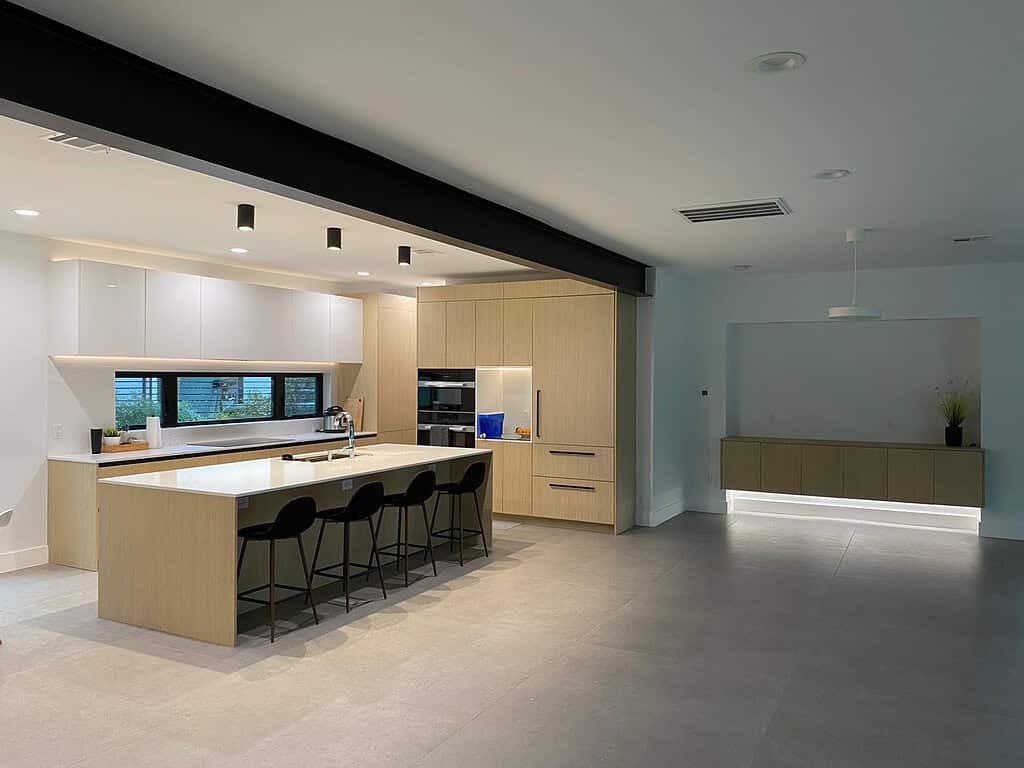
The modern kitchen continues to evolve, and cabinetry remains at the center of that transformation. Homeowners today want more than storage—they want cabinetry that reflects their lifestyle, enhances functionality, and creates a seamless architectural statement. As interior design trends shift toward simplicity, sophistication, and personalization, one question is becoming increasingly common:
What is the newest trend in cabinets?
The answer lies in the growing popularity of European-inspired cabinetry, where clean lines, integrated functionality, and minimalist aesthetics come together to create spaces that feel both luxurious and timeless. While cabinet trends have historically focused on decorative details, today’s most sought-after kitchens embrace sleek surfaces, hidden storage, and refined materials that elevate the entire home.
The Rise of European Cabinets
European cabinetry has become the benchmark for contemporary kitchen design. Originating from a philosophy that prioritizes efficiency and visual simplicity, these cabinets feature streamlined construction, frameless designs, and precision engineering that maximize storage while maintaining a sophisticated appearance.
Unlike traditional cabinetry, which often relies on ornate moldings and visible hardware, European cabinets focus on creating a cohesive, uncluttered environment. The result is a kitchen that feels larger, brighter, and more connected to the surrounding living spaces.
As open-concept homes continue to dominate luxury residential design, homeowners are increasingly drawn to cabinetry that blends seamlessly into the architecture rather than standing apart from it.
Here are the newest cabinet trends in 2026.
Trend #1: Handleless Cabinet Designs
Perhaps the most influential cabinet trend today is the move toward handleless cabinetry.
Push-to-open mechanisms and integrated finger pulls eliminate the need for visible hardware, creating uninterrupted surfaces that emphasize clean geometry. This minimalist approach has become a defining characteristic of modern European kitchens.
Handleless cabinets offer several advantages:
- A cleaner, more contemporary aesthetic
- Easier maintenance with fewer surfaces to clean
- Enhanced visual flow throughout the kitchen
- Greater emphasis on materials and craftsmanship
For luxury homeowners, handleless designs create a polished look that feels effortlessly modern without appearing trendy or temporary.
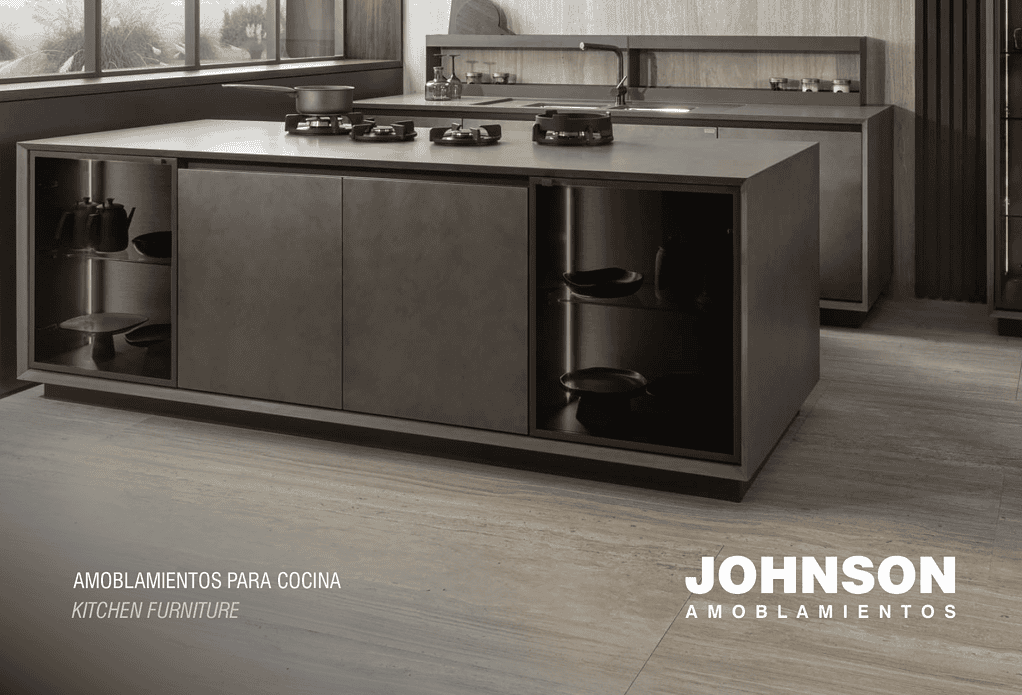
Trend #2: Floor-to-Ceiling Cabinetry
Another major trend reshaping kitchen design is the use of full-height cabinetry.
Instead of stopping cabinets below the ceiling, designers are extending storage vertically to create dramatic architectural impact. This approach maximizes storage while eliminating awkward gaps that can collect dust and disrupt visual continuity.
Floor-to-ceiling cabinets provide:
- Increased storage capacity
- A more custom, built-in appearance
- Stronger architectural presence
- Cleaner sightlines throughout the room
European cabinet manufacturers have long embraced this design principle, making it a cornerstone of contemporary luxury kitchens.
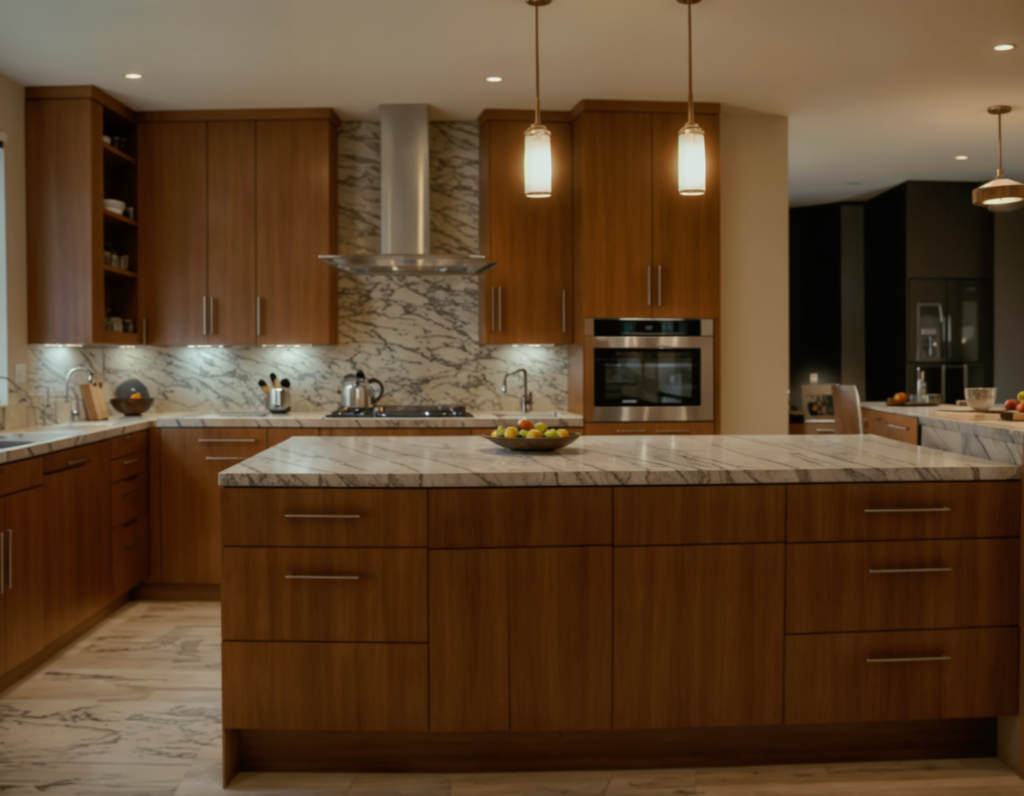
Trend #3: Integrated Appliances
Today’s most sophisticated kitchens are moving away from visible appliances.
Refrigerators, dishwashers, coffee systems, and even wine storage are increasingly concealed behind custom cabinet panels. This integrated approach creates a seamless aesthetic where cabinetry becomes the dominant visual element.
The goal is simple: make the kitchen feel less like a workspace and more like a refined living environment.
Integrated appliances complement modern European cabinetry perfectly, reinforcing the minimalist philosophy that defines today’s most desirable kitchens.
Trend #4: Natural Wood Meets Modern Finishes
While high-gloss finishes once dominated contemporary kitchen design, current cabinet trends are embracing a warmer and more organic aesthetic.
Natural wood veneers, textured oak finishes, and rich walnut cabinetry are increasingly paired with matte lacquer surfaces to create visual contrast and depth.
Popular combinations include:
- White matte cabinets with walnut accents
- Light oak paired with charcoal finishes
- Warm wood grains mixed with stone surfaces
- Soft neutral tones combined with natural textures
These combinations soften modern spaces while preserving the clean lines that homeowners love.
The result is a kitchen that feels inviting, luxurious, and highly personalized.
Trend #5: Hidden Storage Solutions
Functionality has become just as important as appearance.
One of the newest trends in cabinets is the integration of highly sophisticated storage systems designed to reduce clutter and improve organization.
Modern European cabinets often feature:
- Pull-out pantry systems
- Hidden appliance garages
- Interior drawer organizers
- Corner storage solutions
- Integrated recycling stations
- Concealed charging areas
Rather than simply adding more cabinets, designers are focusing on maximizing the usefulness of every inch of space.
This emphasis on intelligent storage reflects a broader movement toward purposeful living and efficient design.
Trend #6: Minimalist Color Palettes
Color trends in cabinetry have also evolved dramatically.
While bright white kitchens remain popular, today’s luxury homeowners are gravitating toward softer, more nuanced palettes inspired by nature.
Leading cabinet colors include:
- Warm whites
- Soft taupe
- Cashmere beige
- Mushroom gray
- Charcoal
- Matte black
- Natural wood tones
These colors complement contemporary architecture while creating a sense of warmth and sophistication.
European cabinet manufacturers have embraced these understated palettes for years, helping establish the refined aesthetic that now dominates luxury kitchen design.
Trend #7: Mixed Materials and Architectural Details
Modern cabinetry is becoming increasingly architectural.
Rather than using a single finish throughout the kitchen, designers are layering materials to create visual interest and depth.
Current combinations often include:
- Wood and glass
- Metal and lacquer
- Stone and veneer
- Matte and textured finishes
Kitchen islands frequently feature a contrasting material or color, transforming them into statement pieces within the overall design.
This layered approach creates a more curated and custom appearance while preserving the clean lines associated with European cabinetry.
Sustainability Is Influencing Cabinet Design
Another important trend shaping the future of cabinetry is sustainability.
Luxury homeowners are paying closer attention to the materials used in their homes, seeking products that combine beauty with environmental responsibility.
Many premium European cabinet manufacturers now prioritize:
- Sustainable wood sourcing
- Low-emission materials
- Durable construction methods
- Long product life cycles
- Energy-efficient manufacturing
The focus is shifting away from short-lived trends and toward investments that offer lasting value and timeless appeal.
The Future of Cabinet Design
As we look ahead, the newest trends in cabinets all point toward a common theme: simplicity with purpose.
Homeowners no longer want kitchens filled with unnecessary ornamentation or visual clutter. Instead, they seek cabinetry that feels integrated, functional, and architecturally refined.
European-inspired cabinetry embodies these priorities through clean lines, innovative storage, premium materials, and timeless design principles.
Whether it’s handleless doors, integrated appliances, floor-to-ceiling storage, or sophisticated natural finishes, today’s most desirable cabinet trends are creating kitchens that are both beautiful and exceptionally practical.
For homeowners seeking a modern luxury kitchen, European cabinetry is no longer simply a trend—it has become the standard for contemporary design excellence.