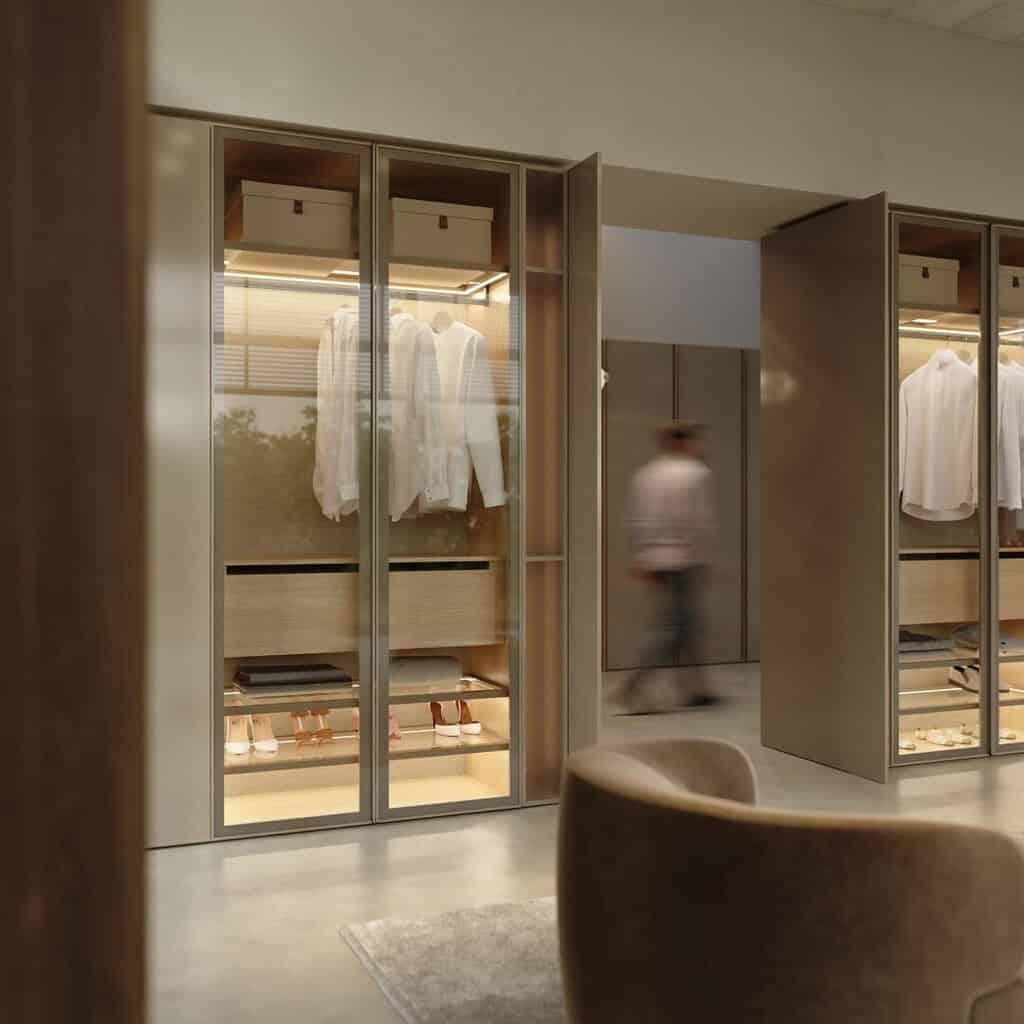
European cabinets are often more expensive than standard American-style cabinets, but the higher price reflects much more than a design preference. These cabinets are typically considered a high-end cabinetry option because they combine refined aesthetics, precision engineering, premium materials, and a more specialized installation process.
For homeowners designing a luxury kitchen, bathroom, bar, closet, or built-in storage system, European cabinets are less about simply “buying cabinets” and more about investing in a tailored architectural feature.
At Foscari Interiors, European cabinetry is often chosen by clients who want a clean, modern, highly functional space with a polished finish that feels custom from every angle. The cost is higher because the product, planning, and installation all require a greater level of detail.
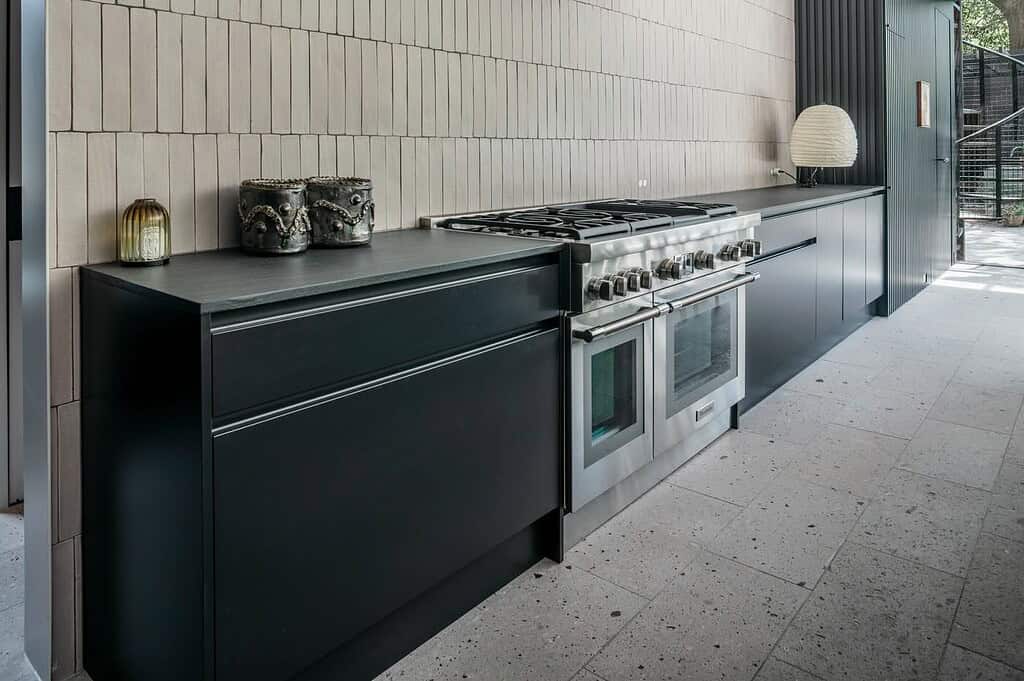
What Makes European Cabinets Different?
European cabinets are best known for their sleek, frameless construction. Unlike traditional framed cabinets, which have a face frame around the front of the cabinet box, European cabinets are built without that front frame. This creates a cleaner, more contemporary appearance and allows the doors and drawers to sit with precise, minimal gaps.
The result is a streamlined look that works beautifully in modern kitchens, luxury bathrooms, entertainment spaces, and custom closets. Flat-panel doors, integrated pulls, high-gloss finishes, wood veneers, matte lacquer, textured laminates, and concealed hardware are all common in European cabinet design.
This style is especially appealing for homeowners who want a refined, uncluttered interior. European kitchen cabinets often feel less decorative and more architectural. Every line, reveal, panel, and appliance opening is intentional.
Why Are European Cabinets More Expensive?
One of the main reasons European cabinets cost more is the level of precision involved. Frameless cabinets leave very little room for error. Because there is no face frame to hide irregularities, the cabinet boxes, doors, drawers, and panels must be manufactured and installed with exact measurements.
The materials also tend to be more premium. Many European-style cabinets use high-quality engineered panels, sophisticated veneers, durable laminates, lacquer finishes, and advanced hardware systems. Drawer glides, soft-close hinges, lift-up doors, pull-out storage, integrated lighting, and interior organization systems can all add to the final cost.
European cabinets are also frequently customized. Even when they come from a modular system, they are often designed to fit a specific room, appliance package, ceiling height, island layout, or wall condition. That level of customization requires detailed planning before production and expert coordination during installation.
In short, European cabinets are more expensive because they are usually more refined, more technical, and more design-driven than basic stock cabinetry.
A High-End Cabinetry Choice for Luxury Interiors
European cabinets are often associated with luxury interiors because they deliver a distinctive sense of sophistication. They are ideal for homeowners who want their cabinetry to feel integrated into the architecture of the home rather than added afterward.
In a high-end kitchen, for example, European cabinets can create a seamless wall of storage, conceal appliances, frame a statement island, or support a minimalist design where the materials become the focal point. Instead of ornate trim or heavy detailing, the luxury comes from proportion, finish quality, hardware performance, and the way every surface aligns.
This is why European cabinetry is popular in contemporary homes, luxury condos, custom estates, and refined renovation projects. The look is understated, but the execution is highly considered.
Specialized Installation Matters
The installation process is another major reason European cabinets can cost more. These cabinets are not typically installed like standard builder-grade cabinetry. They require a specialized approach because the design depends on clean reveals, exact alignment, level surfaces, and careful integration with surrounding walls, floors, ceilings, and appliances.
A skilled installer must account for uneven walls, floor slopes, ceiling variations, appliance tolerances, plumbing locations, electrical requirements, and panel clearances. Even small inconsistencies can become noticeable with European cabinets because the design is so clean and precise.
For example, a full-height pantry wall with integrated refrigerator panels must be carefully leveled and aligned so the doors sit evenly. A floating vanity must be securely mounted while maintaining perfect horizontal lines. A waterfall island or handleless cabinet run may require exact panel spacing so the final result looks seamless.
This specialized cabinet installation is part of the value. When installed properly, European cabinets feel effortless. When installed poorly, imperfections are easy to see.

Cost Factors to Consider
The price of European cabinets can vary widely depending on the size of the project, the materials selected, the level of customization, and the complexity of installation. A small bathroom vanity will cost significantly less than a full luxury kitchen with integrated appliances, tall storage, custom panels, and specialty interior fittings.
Common cost factors include cabinet finish, door style, hardware quality, drawer systems, interior accessories, appliance panels, lighting, delivery, site preparation, and installation labor. Imported cabinetry or highly customized designs can also increase the investment.
However, homeowners should be careful not to compare European cabinets directly with basic stock cabinets. They are different products intended for different outcomes. European cabinets are typically selected when design, longevity, function, and finish quality are priorities.
Are European Cabinets Worth the Investment?
For many luxury homeowners, European cabinets are worth the investment because they elevate both the appearance and functionality of the space. They offer excellent storage, refined styling, smooth hardware performance, and a tailored look that can increase the overall value and enjoyment of the home.
They are especially worthwhile when the cabinetry is a central design feature. In an open-concept kitchen, for instance, cabinetry is often visible from the living and dining areas. A high-end European cabinet system can make the entire space feel more cohesive, polished, and intentional.
European cabinets can also be a smart choice for homeowners who prefer a modern, clutter-free lifestyle. With the right design, they can hide everyday items, improve organization, and create a calm, elegant environment.
The Bottom Line
Yes, European cabinets are generally more expensive, but the higher cost reflects their premium design, specialized construction, and detailed installation requirements. They are a high-end cabinetry solution for homeowners who want more than storage. They offer precision, elegance, and a sophisticated modern look that can transform the feel of an entire room.
For those creating a luxury kitchen, refined bathroom, custom closet, or built-in living space, European cabinets provide a level of craftsmanship and visual clarity that standard cabinetry often cannot match. The investment is not only in the cabinets themselves, but in the design expertise and specialized installation needed to make them perform beautifully.
At Foscari Interiors, European cabinetry is approached as part of the larger interior vision. When thoughtfully designed and expertly installed, it becomes one of the most defining features of a home: elegant, functional, and unmistakably high-end.