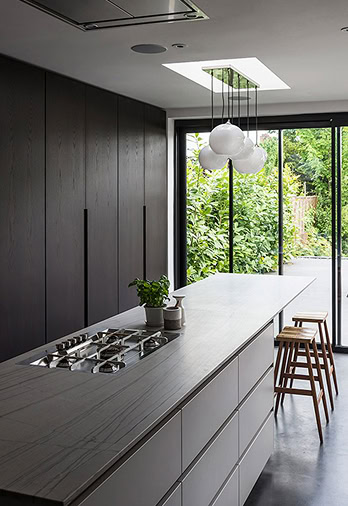
A kitchen remodel is one of the most impactful upgrades a homeowner can make. It affects how a home functions every day—from cooking and storage to gathering, entertaining, and overall flow. But unlike a simple cabinet replacement or cosmetic refresh, custom kitchen remodels are built around thoughtful planning, precision, and long-term usability.
So, what exactly makes a kitchen remodel custom?
A custom kitchen remodel is designed around the homeowner’s lifestyle, layout, storage needs, and aesthetic goals rather than relying on standard cabinet packages or one-size-fits-all solutions. It is a renovation where every detail is considered—from layout and workflow to cabinetry, appliances, and functionality.
At Foscari Interiors, custom kitchen remodels are approached through a design-first process. The goal is not simply to replace materials—it is to create kitchens that work better, feel more intentional, and reflect how homeowners truly live.
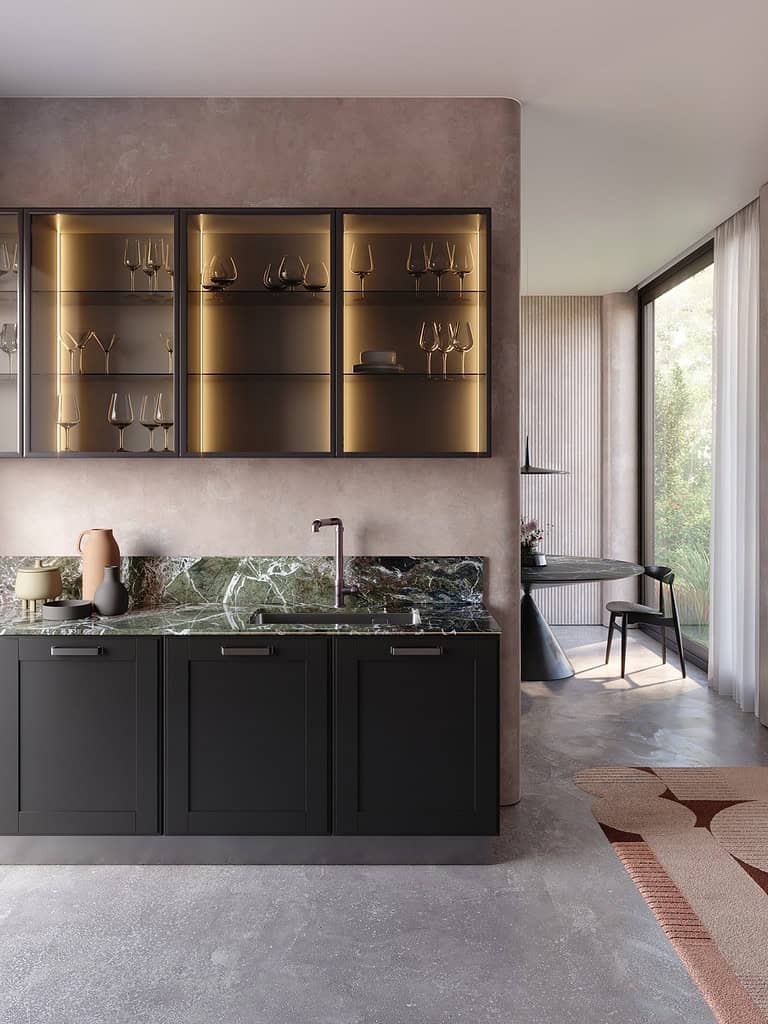
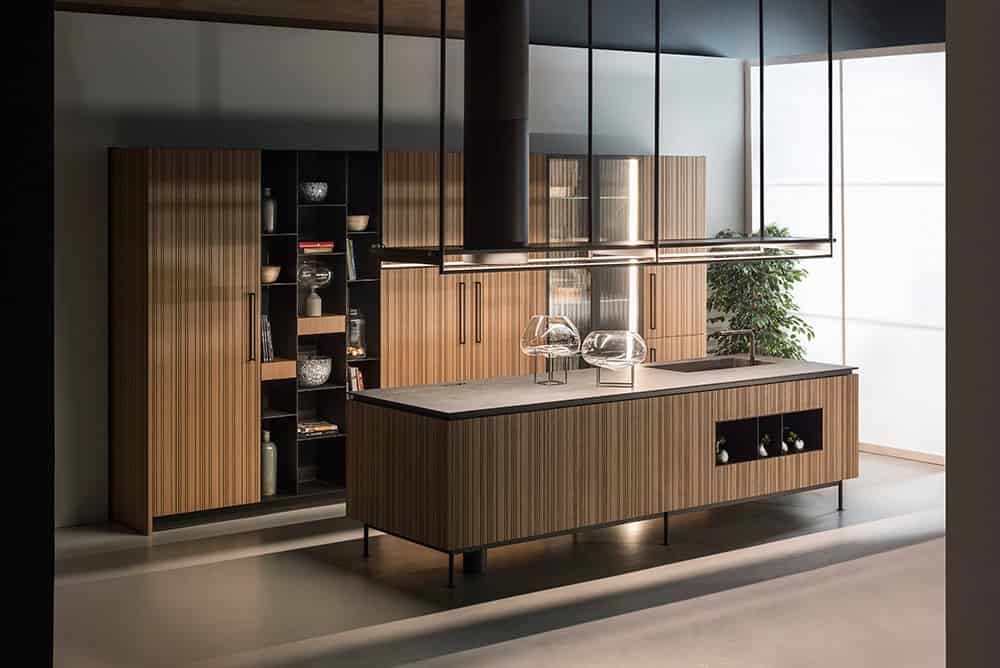
What Is a Custom Kitchen Remodel?
A custom kitchen remodel goes beyond updating finishes.
Rather than simply replacing countertops or swapping cabinets, it often involves rethinking how the kitchen functions.
That may include:
- New kitchen layouts
- Custom cabinetry
- Storage planning
- Appliance integration
- Island redesign
- Workflow improvements
- Lighting coordination
- Material upgrades
- Pantry organization
- Space optimization
The biggest difference is that the kitchen is designed around the homeowner, not around standard templates.
Why Homeowners Choose Custom Kitchen Remodels
Every home—and every family—uses the kitchen differently.
Some prioritize:
- Daily cooking
- Entertaining
- Family gathering
- Hidden storage
- Minimalist design
- Better workflow
- More prep space
- Improved organization
A custom remodel allows the kitchen to solve real-life frustrations rather than simply improving appearance.
That is why thoughtful planning matters early.
Step 1: Discovery and Understanding How You Use the Kitchen
At Foscari Interiors, the process begins with understanding how the homeowner lives in the space.
That often includes discussing:
- Cooking habits
- Family routines
- Storage frustrations
- Appliance preferences
- Hosting needs
- Design style
- Functional priorities
This step shapes the entire project.
A kitchen for a family of five may need very different storage and circulation than a kitchen designed primarily for entertaining.
Step 2: Precision Measurements and Existing Conditions
Before layout planning begins, accurate site measurements are essential.
This includes:
- Wall dimensions
- Ceiling height
- Door placement
- Window locations
- Structural limitations
- Plumbing locations
- Electrical access
Even small inaccuracies can create major cabinet and installation issues later.
Foscari’s process emphasizes getting technical details right early.
Step 3: Space Planning and Layout Development
This is where a remodel becomes truly custom.
Rather than simply fitting cabinetry into available walls, the kitchen is planned around function.
This may include:
- Prep zones
- Cooking flow
- Cleanup areas
- Pantry access
- Appliance placement
- Island positioning
- Seating layout
- Walkway spacing
- Traffic flow
A strong kitchen layout improves how the room feels every day.
At Foscari, layout decisions are often made with both practicality and visual balance in mind.
Why Layout Matters More Than Homeowners Realize
Many kitchen frustrations come from layout—not finishes.
A poorly planned kitchen may have:
- Limited prep space
- Narrow walkways
- Awkward appliance placement
- Weak storage flow
- Oversized islands
- Poor pantry access
- Traffic bottlenecks
A custom remodel helps solve these issues before cabinetry is ordered.
That makes the kitchen more functional long term.
Step 4: Cabinet Design and Storage Planning
Cabinetry is one of the most important parts of a kitchen remodel.
It affects:
- Storage capacity
- Accessibility
- Workflow
- Visual balance
- Appliance integration
- Daily organization
A custom cabinet plan may include:
- Base cabinets
- Tall pantry systems
- Drawer banks
- Hidden storage
- Appliance walls
- Pull-out systems
- Corner optimization
- Island storage
At Foscari Interiors, cabinetry is treated as part of the overall design strategy—not just a product order.
The focus is often on smarter storage rather than simply adding more cabinets.
Step 5: Why 3D Renderings Are So Important
One of the most valuable parts of a custom remodel is seeing the kitchen before construction begins.
That is where 3D renderings become essential.
Flat drawings can provide measurements, but they often do not fully show scale or proportion.
Renderings help homeowners evaluate:
- Island size
- Cabinet proportions
- Walkway spacing
- Appliance integration
- Seating alignment
- Storage placement
- Visual balance
- Material combinations
- Lighting relationships
- Overall flow
At Foscari Interiors, 3D visualization is a key part of the process because it allows homeowners to refine decisions early.
That helps reduce uncertainty before cabinetry moves into engineering or fabrication.
A kitchen remodel is a major investment, and visualization makes decision-making stronger.
Step 6: Material Selection and Design Refinement
Once layout is approved, the design becomes more detailed.
Selections may include:
- Cabinet finishes
- Veneers or painted surfaces
- Countertops
- Hardware
- Interior storage systems
- Open shelving
- Lighting coordination
- Backsplash materials
The goal is to create a kitchen that feels cohesive.
At Foscari, this stage is about balancing practicality with timeless design.
Step 7: Cabinet Engineering and Final Planning
Before cabinetry is ordered, everything must be technically finalized.
This includes:
- Appliance openings
- Panel dimensions
- Fillers
- Door clearances
- Ventilation allowances
- Electrical coordination
- Plumbing placement
- Island overhangs
- Installation tolerances
This is often where custom kitchen remodels separate themselves from basic renovations.
Precision planning helps reduce expensive revisions.
Common Features in Custom Kitchen Remodels
Custom kitchens often include features that improve everyday use.
Common upgrades include:
- Kitchen islands
- Expanded pantry storage
- Beverage stations
- Coffee bars
- Hidden appliance storage
- Better drawer organization
- Full-height cabinetry
- Integrated appliances
- Dedicated prep zones
These additions are often about function—not excess.
Common Mistakes Homeowners Make During Kitchen Remodels
Many problems happen when design decisions are rushed.
Common issues include:
- Poor layout planning
- Not enough storage
- Oversized islands
- Appliance conflicts
- Weak workflow
- Narrow circulation
- Inadequate prep space
- Ignoring long-term needs
- Poor lighting coordination
Thoughtful planning helps prevent these setbacks.
The Foscari Interiors Approach to Custom Kitchen Remodels
At Foscari Interiors, kitchen remodeling follows a collaborative, design-first process.
Rather than jumping directly into cabinetry or finishes, the focus is on understanding how the homeowner uses the space and refining the kitchen before fabrication begins.
That often includes:
- Discovery and consultation
- Precision measurements
- Space planning
- Cabinet zoning
- Storage strategy
- 3D renderings
- Material coordination
- Technical cabinet planning
- Final design refinement
The goal is to create kitchens that are not only beautiful, but easier to use every day.
So, What Should Homeowners Expect From Custom Kitchen Remodels?
Custom kitchen remodels are about more than updating surfaces. They are about improving how the kitchen functions, flows, and supports everyday life.
From layout planning and storage strategy to cabinetry, renderings, and technical precision, each step shapes the final result.
At Foscari Interiors, that process begins with thoughtful planning and collaboration—helping homeowners create kitchens that feel intentional, functional, and built around how they live.