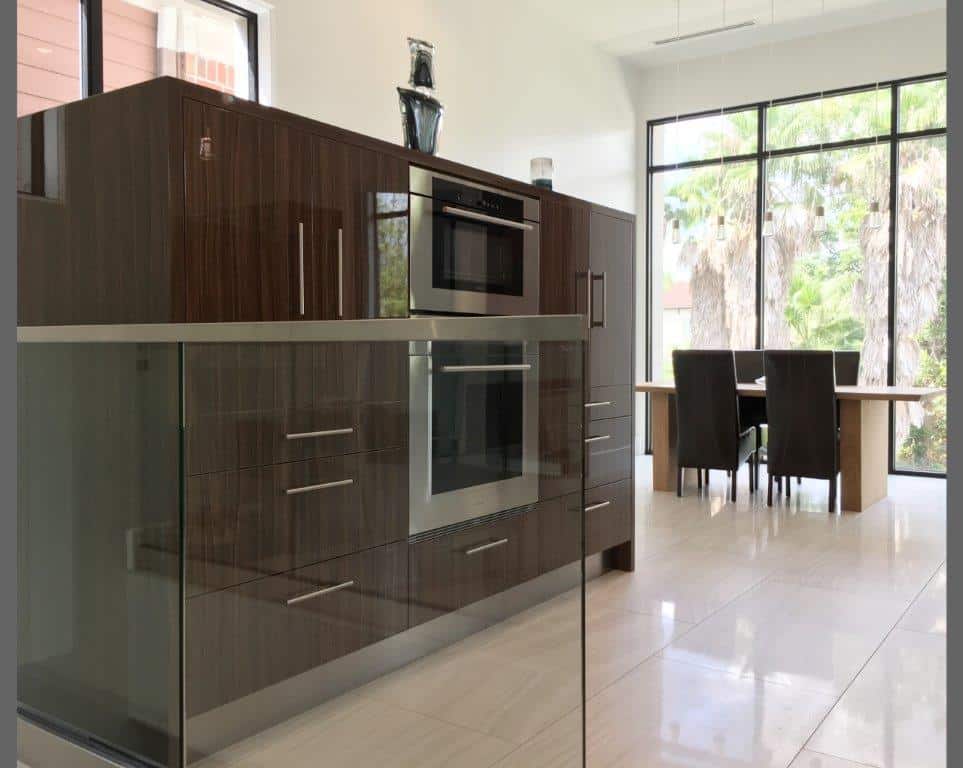
A modern kitchen is not defined by trends—it’s defined by clarity, precision, and intentional design. The most sophisticated spaces feel effortless, where every element has been carefully considered and nothing feels excessive or out of place.
At the center of this transformation is cabinetry.
Cabinets shape the visual structure of the kitchen more than any other feature. They determine how the space flows, how light interacts with surfaces, and how cohesive the design feels overall. When cabinetry is modern, the entire kitchen follows.
If your kitchen feels dated, it is often because of the cabinetry—its style, proportions, or finish. Updating this element alone can completely redefine the space.
Start with Clean, Architectural Cabinetry
Modern kitchens are rooted in simplicity.
One of the most effective ways to achieve a modern look is by choosing cabinetry with clean, uninterrupted lines. This is where European cabinets stand out.
European-style cabinetry, also known as frameless cabinetry, eliminates unnecessary bulk and creates a sleek, streamlined appearance. Doors sit flush, spacing is precise, and the overall effect is architectural rather than decorative.
Flat-panel doors are a defining feature. Unlike raised-panel or heavily detailed cabinet fronts, flat panels create a smooth surface that enhances the sense of minimalism.
The result is a kitchen that feels refined, open, and visually balanced.
Eliminate Visual Clutter
Outdated kitchens often feel busy.
Excessive detailing, visible hardware, and inconsistent finishes can make the space feel fragmented. Modern kitchens take the opposite approach by reducing visual noise.
Cabinetry plays a key role in this shift. Handle-less designs, integrated pulls, or minimal hardware create uninterrupted surfaces that feel calm and cohesive.
Upper cabinets can also be simplified or even minimized in favor of clean wall space or full-height cabinetry. This creates a more open, contemporary feel while maintaining functionality.
The goal is not emptiness, but clarity.
Embrace a Refined Material Palette
Material selection is critical in defining a modern kitchen.
European cabinetry often features high-quality finishes such as matte lacquer, natural wood veneers, and textured surfaces. These materials are chosen not only for their appearance but for how they interact with light and space.
Modern kitchens typically avoid overly glossy or overly ornate finishes. Instead, they focus on:
- Soft matte surfaces that diffuse light
- Warm wood tones that add depth without heaviness
- Subtle textures that create visual interest without clutter
Consistency across cabinetry is essential. When materials are cohesive, the kitchen feels intentional and elevated.
What Makes a Kitchen Look Outdated
Understanding what feels outdated is just as important as knowing what feels modern.
Many older kitchens share common design elements that disrupt a clean, contemporary aesthetic.
Raised-panel cabinet doors are one of the most recognizable signs of an outdated kitchen. Their decorative profiles create visual complexity that contrasts with modern simplicity.
Excessive ornamentation, such as heavy moldings or overly detailed trim, can also make a space feel dated. These elements draw attention away from the overall design and create visual fragmentation.
Traditional hardware, especially bulky or overly decorative handles, contributes to a less refined look.
Inconsistent finishes or mismatched materials further reduce cohesion, making the kitchen feel less intentional.
Finally, cabinetry that does not extend to the ceiling can leave awkward gaps that interrupt the visual flow of the space.
Recognizing these elements makes it easier to transition toward a more modern design.
Prioritize Full-Height Cabinetry
One of the defining features of modern kitchens is vertical continuity.
Full-height cabinetry that extends to the ceiling creates a sense of scale and sophistication. It eliminates unused space above cabinets and enhances the architectural presence of the kitchen.
This approach is especially effective in open-concept homes, where the kitchen is visible from multiple angles. Continuous cabinetry lines help anchor the space and create a cohesive visual experience.
European cabinets are particularly well-suited for this style, as their clean lines and precise construction support uninterrupted vertical design.
Integrate Appliances Seamlessly
Modern kitchens are designed to feel cohesive, not segmented.
Cabinetry can be used to integrate appliances so they blend into the overall design. Refrigerators, dishwashers, and even smaller appliances can be concealed behind matching panels.
This creates a continuous surface where appliances do not visually interrupt the space.
The result is a kitchen that feels more like a curated environment than a collection of individual elements.
Focus on Proportion and Alignment
Modern design is as much about proportion as it is about style.
Cabinet spacing, alignment, and symmetry all contribute to the overall effect. Even small inconsistencies can disrupt the clean lines that define a modern kitchen.
European cabinetry is known for its precision. Tight, consistent gaps and perfectly aligned doors create a sense of order that is immediately noticeable.
This level of detail may not stand out consciously, but it plays a significant role in how the space is perceived.
Use Lighting to Enhance Cabinetry
Lighting is a subtle but powerful tool in modern kitchen design.
Under-cabinet lighting highlights materials and creates depth, while integrated lighting can add both functionality and ambiance.
Rather than relying solely on overhead lighting, modern kitchens use layered illumination to enhance cabinetry and architectural features.
This approach reinforces the clean lines and materials that define the space.
Final Thoughts
Making your kitchen look modern is not about following trends—it’s about refining the space through thoughtful design.
Cabinetry is the foundation of this transformation. From clean lines and high-quality materials to seamless integration and precise alignment, modern cabinets define how the kitchen looks and feels.
By eliminating outdated elements and embracing the principles of European design, you can create a kitchen that feels timeless, sophisticated, and effortlessly functional.