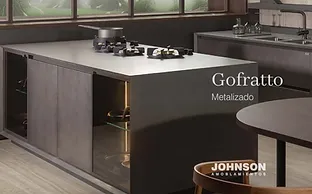
Kitchen design has evolved dramatically over the past decade, and cabinetry sits at the center of that transformation. Once considered primarily functional storage, cabinets now define the architectural character of the entire kitchen.
Today’s homeowners are looking for more than just storage—they want cabinetry that reflects a modern lifestyle, integrates seamlessly with the rest of the home, and offers long-term design appeal. As kitchens continue to serve as the social hub of the home, cabinet trends have shifted toward clean lines, intelligent functionality, and refined materials.
For homeowners planning a renovation or new build, understanding the current trends in cabinetry can help guide design decisions that feel both contemporary and timeless.
Cabinets as Architectural Elements
One of the most significant shifts in modern kitchen design is the way cabinets are treated architecturally. Rather than acting as standalone furniture pieces, cabinetry now blends seamlessly into the overall structure of the kitchen.
Designers increasingly approach cabinets as part of the room’s architectural composition. This means creating continuous lines across cabinetry, appliances, and surrounding walls. Instead of breaking the visual flow with decorative trim or contrasting styles, modern cabinets emphasize smooth transitions and visual balance.
This approach creates kitchens that feel calm, cohesive, and highly intentional.
Large panels, integrated appliances, and uninterrupted cabinet runs help create the streamlined look that defines contemporary kitchens today.
Minimalist Cabinet Door Styles
Minimalism continues to influence cabinet design in a major way. While traditional kitchens often feature raised panels and decorative detailing, modern cabinets favor simplicity and restraint.
Flat-panel or slab cabinet doors are currently one of the most popular styles. These doors feature smooth surfaces with no framing or decorative molding, allowing the material and finish to take center stage.
This minimalist style works particularly well in contemporary kitchens because it reduces visual clutter and allows other elements—such as lighting, countertops, or architectural features—to stand out.
The result is a kitchen that feels modern, refined, and uncluttered.
Handleless and Integrated Hardware
Another defining trend in cabinet design is the shift toward handleless cabinetry. Traditional knobs and pulls are increasingly being replaced with integrated solutions that maintain a seamless appearance.
Handleless designs often use recessed channels or push-to-open mechanisms that allow cabinet doors and drawers to open without visible hardware.
This design choice contributes to the sleek, uninterrupted look that defines modern kitchens.
Integrated hardware is especially common in European-style cabinetry systems, where precision engineering allows drawers and doors to operate smoothly while maintaining the clean aesthetic homeowners are seeking.
Natural Materials and Warm Finishes
While modern kitchens often emphasize minimalism, they are also moving toward warmer, more inviting materials.
Natural wood finishes have become increasingly popular in contemporary cabinet design. Wood veneers bring texture and warmth to the kitchen, balancing the sleek surfaces commonly found in modern spaces.
Rather than the dark, heavy stains that were common in the past, current cabinet trends favor lighter wood tones such as:
- Oak
- Walnut
- Ash
- Light natural veneers
These materials introduce organic texture into the kitchen while maintaining a sophisticated and contemporary feel.
Combining natural wood with matte lacquer or painted cabinetry can create a beautiful contrast that feels both modern and timeless.
Matte Finishes Over High Gloss
While high-gloss cabinetry once dominated modern kitchens, matte finishes have become the preferred choice in recent years.
Matte cabinet surfaces offer a softer, more understated appearance while still maintaining the clean lines associated with contemporary design.
They also provide practical benefits. Matte finishes tend to show fewer fingerprints and reflections, making them well suited for busy kitchens.
Common matte cabinet colors include:
- Soft whites
- Warm taupes
- Light grays
- Charcoal tones
- Earth-inspired neutrals
These colors contribute to the calm, balanced atmosphere that homeowners increasingly desire in their kitchens.
Two-Tone Cabinet Designs
Another notable trend is the use of two-tone cabinetry. Rather than using a single finish throughout the kitchen, designers are combining complementary colors or materials to add visual depth.
A common approach is to use lighter cabinets along the perimeter of the kitchen while incorporating a darker or wood finish on the island.
This technique helps define different zones within the space and creates visual contrast without overwhelming the design.
Two-tone cabinets can also highlight architectural features within the kitchen while maintaining the overall minimalist aesthetic.
Floor-to-Ceiling Cabinetry
Storage has always been a priority in kitchen design, but modern cabinetry trends focus on maximizing space without disrupting the visual simplicity of the room.
Floor-to-ceiling cabinets are becoming increasingly common in contemporary kitchens. Extending cabinetry to the ceiling creates a dramatic, built-in appearance while providing additional storage.
This design also eliminates the empty space that traditionally exists above cabinets, which can often collect dust or clutter.
Full-height cabinetry contributes to the architectural feel of the kitchen while maintaining the clean lines that define modern design.
Hidden Storage and Smart Organization
Modern kitchens emphasize efficiency and organization just as much as aesthetics.
Cabinet manufacturers and designers are increasingly incorporating smart storage solutions that help homeowners maintain a clutter-free kitchen.
These features often include:
- Deep drawer systems for cookware and dishes
- Pull-out pantry cabinets
- Integrated spice racks and utensil organizers
- Hidden waste and recycling compartments
- Appliance garages for small appliances
These solutions ensure that everything has a designated place while keeping countertops clean and visually uncluttered.
The goal is to create a kitchen that functions effortlessly behind the scenes while maintaining a sophisticated outward appearance.
Seamless Appliance Integration
Appliances are another area where cabinetry trends have evolved.
Rather than leaving appliances fully exposed, many modern kitchens integrate them directly into the cabinetry. Panel-ready refrigerators, dishwashers, and even ventilation systems can be concealed behind cabinet panels that match the surrounding surfaces.
This approach allows appliances to blend seamlessly into the design, reinforcing the clean architectural lines of the kitchen.
By reducing visual interruptions, integrated appliances help maintain the refined simplicity that defines contemporary cabinetry.
Sustainable and High-Quality Materials
As homeowners become more conscious of sustainability and long-term value, cabinet materials are evolving as well.
High-quality cabinetry today often incorporates durable materials designed to withstand years of daily use. Many manufacturers also prioritize environmentally responsible production processes and sustainable wood sourcing.
Durability, longevity, and craftsmanship are becoming increasingly important considerations for homeowners investing in kitchen renovations.
Rather than chasing short-lived design trends, many homeowners are prioritizing cabinets that combine timeless aesthetics with long-term performance.
Why Cabinet Trends Are Moving Toward Simplicity
One of the most consistent themes across modern cabinet trends is simplicity.
Homeowners today are drawn to kitchens that feel calm, uncluttered, and architecturally refined. Clean lines, thoughtful materials, and integrated storage all contribute to this atmosphere.
The kitchen has become a space not only for cooking but also for gathering, entertaining, and spending time with family. As a result, cabinetry design now prioritizes visual harmony and functionality rather than elaborate decoration.
The most successful cabinet designs are those that balance minimalism with warmth, creating kitchens that feel both sophisticated and welcoming.
Designing a Kitchen That Stands the Test of Time
While trends can provide inspiration, the best kitchen designs are guided by timeless principles.
Choosing high-quality materials, thoughtful layouts, and refined cabinet styles ensures that the kitchen will remain beautiful and functional for years to come.
Cabinetry plays a defining role in achieving this balance. When carefully designed, cabinets create the structure, storage, and visual character that shape the entire kitchen experience.
For homeowners planning a kitchen renovation, investing in well-designed cabinetry is one of the most impactful decisions they can make.
Modern cabinet trends may continue to evolve, but the core principles of great design—simplicity, craftsmanship, and functionality—remain constant.