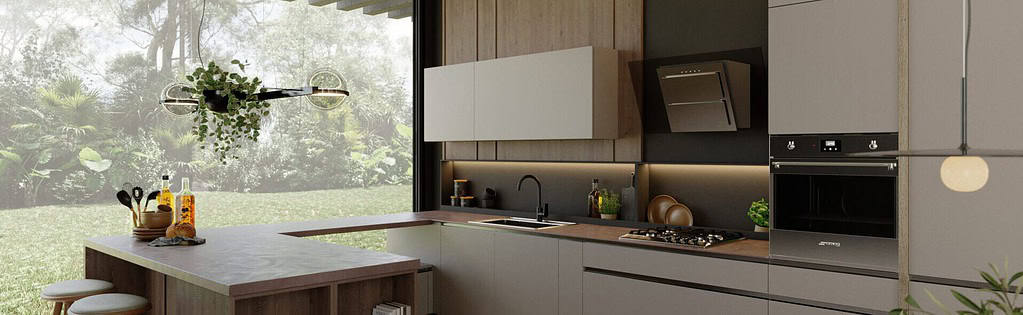
Designing a truly bespoke kitchen is a journey. A well-executed process ensures that your custom kitchen not only looks stunning — but also functions beautifully for your life. Here is a refined, step‑by‑step overview of how Foscari Interiors might guide you from concept to completed custom kitchen.
1. Discovery & Lifestyle Mapping
The first step isn’t about picking finishes or appliances — it starts with you. A design team meets with you to understand your lifestyle, cooking habits, entertaining style, and how you envision using the kitchen day after day (casual meals, formal dinners, family cooking, hosting, etc.). Main Website+1
During this phase, designers gather information like:
- Who uses the kitchen (family, staff, frequent guests)
- Frequency and type of cooking or entertaining
- Storage needs, accessibility, and organization preferences
- Design aesthetic: modern, traditional, transitional — or a custom blend
This step ensures the kitchen is tailored to you rather than a generic layout.
2. Spatial Assessment & Site Evaluation
Once lifestyle and needs are clear, the physical space must be carefully assessed. This includes taking precise measurements, noting structural elements (plumbing, windows, load‑bearing walls), assessing light flow, sightlines, and understanding traffic patterns. Frontier Kitchens+2Modiani Kitchens+2
Considerations include:
- Distance between sink, stove, and refrigerator (often guided by the Kitchen Work Triangle for efficient workflow) Wikipedia+1
- Adjacency to dining/living areas if the kitchen is open concept
- Doors, windows, and natural light — to maximize ambiance and functionality
- Opportunities for built-in storage, islands, or even a scullery or hidden zones
Thorough spatial assessment helps avoid surprises later and guarantees that form and function align seamlessly.
3. Concept & Layout Development
With your lifestyle and space defined, designers create layout options. This is where the “custom” in custom kitchen truly begins. Main Website+1
Key design decisions happen here:
- Workflow zones (prep, cooking, cleanup, storage) optimized for ease of use and flow
- Appliance placement and integration — often hidden or built‑in for a cohesive look
- Island, peninsula, or scullery options depending on scale and function
- Circulation paths to ensure the kitchen is practical for everyday use and entertaining
This phase often results in floor plans, 3‑D renderings or sketches to help you envision the final space before materials or finishes are chosen. About Kitchens and more+1
4. Material, Finish & Fixture Selection
With layout set, it’s time to define the aesthetic heart of the kitchen. This is where materiality, color palette, cabinetry style, hardware, lighting, and countertops come together to express your personal style.
For a luxury, Italian‑inspired custom kitchen (such as those Foscari Interiors specializes in), this might include:
- Custom cabinetry — perhaps lacquered, fluted wood, or fine veneer — designed to match architectural proportions and home’s style.
- Premium countertops and surfaces: natural stone, marble, or high-end engineered materials, selected for beauty and durability.
- Integrated lighting plans: layered lighting (task, ambient, accent) that highlights form and enhances usability.
- Appliance selection and concealment: built‑in ovens, hidden refrigeration panels, and streamlined venting to maintain visual harmony.
This phase is where the kitchen begins to become uniquely yours — a reflection of taste, lifestyle, and architectural harmony.
5. Final Drawings & Specification Approval
Before production begins, designers create detailed technical drawings and full specification lists covering cabinetry dimensions, appliance locations, electrical/plumbing plans, lighting placement, finishes, and hardware. Modiani Kitchens+1
You review and sign off on these drawings and specifications — ensuring alignment on design, function, and aesthetics before any materials are ordered or fabrication begins.
6. Ordering, Scheduling & Kitchen Cabinet Production
Once plans are finalized, cabinetry and other custom elements are ordered or fabricated. For genuine custom kitchens, this process can take several weeks to months — depending on scope, materials, and whether pieces are bespoke or standard custom. Modiani Kitchens+2Call Custom Built Blog+2
While cabinets are being built, the project team also schedules all other work — plumbing, electrical, tiling, installation — to ensure everything proceeds smoothly and in proper sequence.
7. Installation & Construction
With cabinetry and materials ready, the installation phase begins. Skilled craftsmen and installers coordinate to bring your custom kitchen to life. This may include: demolition (if it’s a remodel), cabinetry installation, countertop templating and installation, plumbing and electrical work, fixture installation, and finishing touches such as trim, lighting, and hardware. About Kitchens and more+2Dura Supreme Cabinetry+2
Throughout installation, careful attention ensures that the design intent — proportions, finishes, workflow, and aesthetic — is respected and preserved.
8. Final Styling, Quality Check & Handover
Once installation is complete, designers and project managers conduct a thorough review — checking functionality, finish quality, appliance operation, and aesthetic details. Any necessary adjustments are made. Main Website+2About Kitchens and more+2
Finally, the kitchen is styled (if part of the scope): lighting layered, hardware detailed, and the space readied for living — turning a room into a living, breathing part of your home.
Why the Custom Kitchen Process Matters
A kitchen built on careful, methodical design and execution is more than a pretty space — it becomes a foundation of comfort, functionality, and long-term value. Whether it’s the way the cabinetry conceals appliances, the flow between prep and cooking areas, or the selection of materials that age beautifully, a custom process ensures every decision is intentional.
For Foscari Interiors, this process isn’t just about delivering a kitchen — it’s about delivering a lifestyle. A custom kitchen should reflect how you live, how you entertain, and how you imagine your daily rituals unfolding over time.