
When homeowners think about quality kitchens, they often picture beautiful stone countertops, premium appliances, or dramatic lighting. While those elements matter, one of the most important foundations of a truly high-performing kitchen is the cabinetry.
Cabinets influence nearly everything—storage, organization, workflow, durability, and the overall architectural feel of the space. In luxury kitchen design, cabinetry is not just a finish selection. It is a structural and visual investment.
That is why European cabinets are often associated with quality kitchens. Known for precision engineering, frameless construction, clean aesthetics, and long-term functionality, European cabinetry has become a defining feature in many modern luxury homes.
From a Foscari Interiors perspective, quality kitchens are built through intentional design, craftsmanship, and cabinetry that supports how people actually live.
What Defines a Quality Kitchen?
A quality kitchen is not simply expensive or trend-driven. It is designed to perform well for years while maintaining a refined appearance.
High-quality kitchens often prioritize:
- Durable materials
- Functional storage
- Strong cabinet construction
- Workflow efficiency
- Precision installation
- Long-term performance
- Thoughtful proportions
- Appliance integration
- Timeless design
- Architectural consistency
A kitchen may look visually impressive, but if storage is poor, cabinet alignment is weak, or layout feels inefficient, quality suffers quickly.
True kitchen quality comes from both craftsmanship and planning.
Why Cabinetry Is the Foundation of Quality Kitchens
Cabinetry is one of the most used components in the home.
Every day, cabinets handle:
- Weight from cookware and dishware
- Repeated opening and closing
- Heat exposure
- Moisture exposure
- Surface wear
- Cleaning products
- Organizational demands
Beyond durability, cabinetry also defines:
- Storage capacity
- Kitchen flow
- Appliance placement
- Visual structure
- Island functionality
- Room balance
In luxury kitchens, cabinetry is often the largest investment after construction and stonework.
That is why cabinet quality matters.
What Makes European Cabinets Different?
European kitchen cabinets differ from many traditional cabinet systems in both construction and design philosophy.
One of the biggest distinctions is frameless cabinetry construction.
Unlike framed cabinetry, frameless cabinets remove the front face frame and rely on engineered box construction.
This creates:
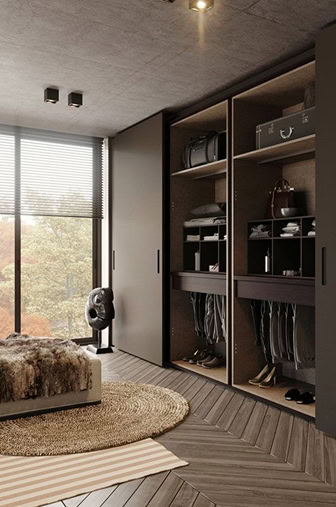
- Cleaner lines
- Full-access interiors
- Larger usable storage openings
- Flush alignment
- Minimal visual interruption
This style supports the sleek, modern look many homeowners associate with premium kitchens.
European cabinetry also tends to emphasize:
- Precision tolerances
- Integrated hardware
- Full-overlay doors
- Symmetrical spacing
- Minimalist architecture
- Streamlined installation
These details contribute heavily to what homeowners often describe as a “high-end” kitchen.
Why European Cabinets Are Associated With Quality Kitchens
1. Precision Engineering
European cabinets are known for tight construction tolerances.
That helps create:
- Better alignment
- Flush reveals
- Consistent spacing
- Cleaner installation lines
- Improved visual symmetry
In luxury kitchens, even small alignment differences can affect the final appearance.
Precision matters.
2. More Usable Storage
Frameless cabinetry often allows fuller interior access.
That can improve:
- Drawer capacity
- Shelf accessibility
- Pantry usability
- Appliance cabinet function
- Vertical storage efficiency
In modern homes, efficient storage is a major part of quality kitchen planning.
3. Advanced Drawer and Hardware Systems
High-end European cabinetry often includes engineered hardware designed for long-term use.
That may include:
- Soft-close hinges
- Precision drawer runners
- Full-extension drawers
- Heavy-load support
- Hidden hardware systems
- Adjustable internal organization
These details improve both performance and longevity.
4. Clean Architectural Aesthetics
European cabinets often support:
- Flat-panel doors
- Flush appliance integration
- Hidden handles or channel systems
- Minimal seams
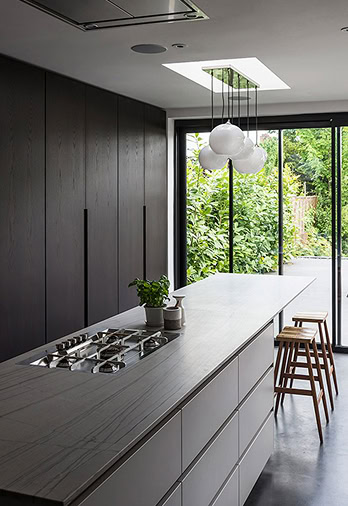
- Full-height storage walls
- Floating cabinetry
These design choices help kitchens feel refined and uncluttered.
At Foscari, this architectural restraint is often central to premium kitchen design.
5. Finish Quality and Material Variety
Luxury European cabinets frequently offer highly engineered finishes such as:
- Matte lacquers
- Natural veneers
- Textured wood grains
- High-performance laminates
- Painted systems
- Fingerprint-resistant surfaces
These materials often support durability while preserving a clean modern look.
How European Cabinets Support Modern Luxury Kitchens
A quality kitchen should feel efficient and visually balanced.
European cabinetry supports that through thoughtful design flexibility.
Full-Height Cabinetry
Tall cabinets can create:
- More vertical storage
- Stronger architectural presence
- Hidden appliance integration
- Pantry optimization
Appliance Walls
European systems often integrate:
- Refrigeration panels
- Oven towers
- Coffee systems
- Warming drawers
- Built-in storage
This creates cleaner workflow and visual consistency.
Hidden Storage
Minimalist kitchens still need function.
Cabinetry can conceal:
- Appliance garages
- Pull-out pantry systems
- Recycling zones
- Charging stations
- Deep internal organizers
Oversized Islands
European cabinetry often works exceptionally well in large island designs.
This can support:
- Drawer banks
- Seating storage
- Prep sinks
- Hidden outlets
- Beverage refrigeration
Modern luxury kitchens rely heavily on this flexibility.
What Homeowners Should Ask About Cabinet Quality
Not all premium-looking cabinets are built equally.
When evaluating cabinetry, homeowners should ask about:
Box Construction
Is the cabinet structurally engineered for long-term use?
Panel Thickness
Does the material support stability and strength?
Edge Banding
Are exposed edges protected and finished cleanly?
Hardware Systems
What drawer runners and hinges are being used?
Weight Capacity
Can drawers support cookware and heavy storage?
Moisture Resistance
How does the cabinet perform in humid kitchen conditions?
Finish Durability
Will surfaces resist wear, fingerprints, or fading?
Installation Precision
Even strong cabinetry can underperform if installation is poor.
These details often separate decorative cabinets from true quality systems.
Why Design Matters as Much as Cabinet Quality
Even exceptional cabinetry can fail in a poorly designed kitchen.
A beautiful cabinet line cannot fix:
- Weak workflow
- Oversized islands
- Poor pantry access
- Appliance conflicts
- Inadequate storage
- Unbalanced proportions
- Crowded walkways
- Weak lighting coordination
That is why quality kitchens are built through both cabinetry and design strategy.
At Foscari Interiors, cabinetry planning begins with understanding how the homeowner uses the kitchen.
This includes:
- Cooking habits
- Entertaining needs
- Family flow
- Appliance expectations
- Storage frustrations
- Aesthetic goals
Only then does layout development begin.
The Foscari Interiors Approach to Quality Kitchens
At Foscari Interiors, quality kitchens are approached through a design-first, architectural lens.
That means cabinetry is not treated as a simple product order.
Instead, the process often includes:
Lifestyle Discovery
Designing around how clients truly live.
Precision Measurements
Ensuring cabinetry aligns accurately with architecture.
Space Planning
Balancing storage, movement, and usability.
Cabinet Zoning
Organizing prep, cooking, storage, and entertaining areas.
3D Visualization
Helping homeowners refine scale, proportion, and material relationships before fabrication.
Material Refinement
Selecting finishes that feel elevated and timeless.
Technical Cabinet Engineering
Confirming appliance integration, spacing, and installation tolerances.
This approach helps create kitchens that feel cohesive, highly functional, and built for long-term use.
So, Why Do European Cabinets Define Quality Kitchens?
European cabinetry is often associated with quality kitchens because it combines precision engineering, efficient storage, durable hardware, clean aesthetics, and architectural flexibility.
But cabinetry alone does not define quality.
From a Foscari Interiors perspective, the best kitchens come from thoughtful design, technical planning, and cabinetry that supports daily life with both beauty and performance.
When modern kitchen design and premium European cabinetry work together, the result is not simply a stylish renovation—it is a kitchen built to perform beautifully for decades.